Slides
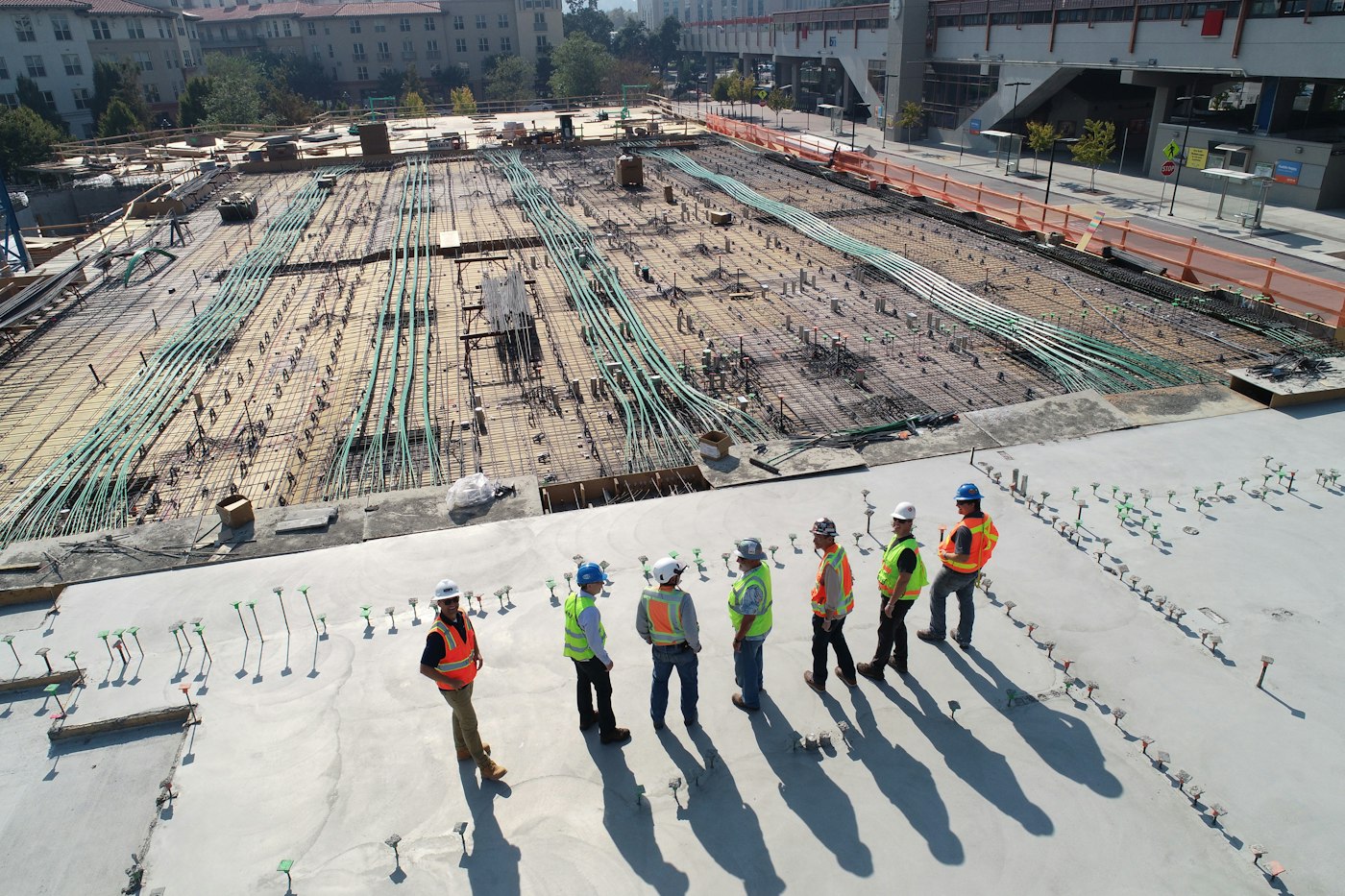
Bridge under construction
Module 02 · Civil Engineering

Forces:
Push, Pull & Gravity

Every bridge, building, and dam is a silent battle between invisible forces. Learn the three powers every civil engineer must master — or their structures fall down.

🌍 Gravity ↕️ Compression ↔️ Tension
Quick Review

What Civil Engineers Build

All of these structures resist forces every second of every day — without moving an inch.
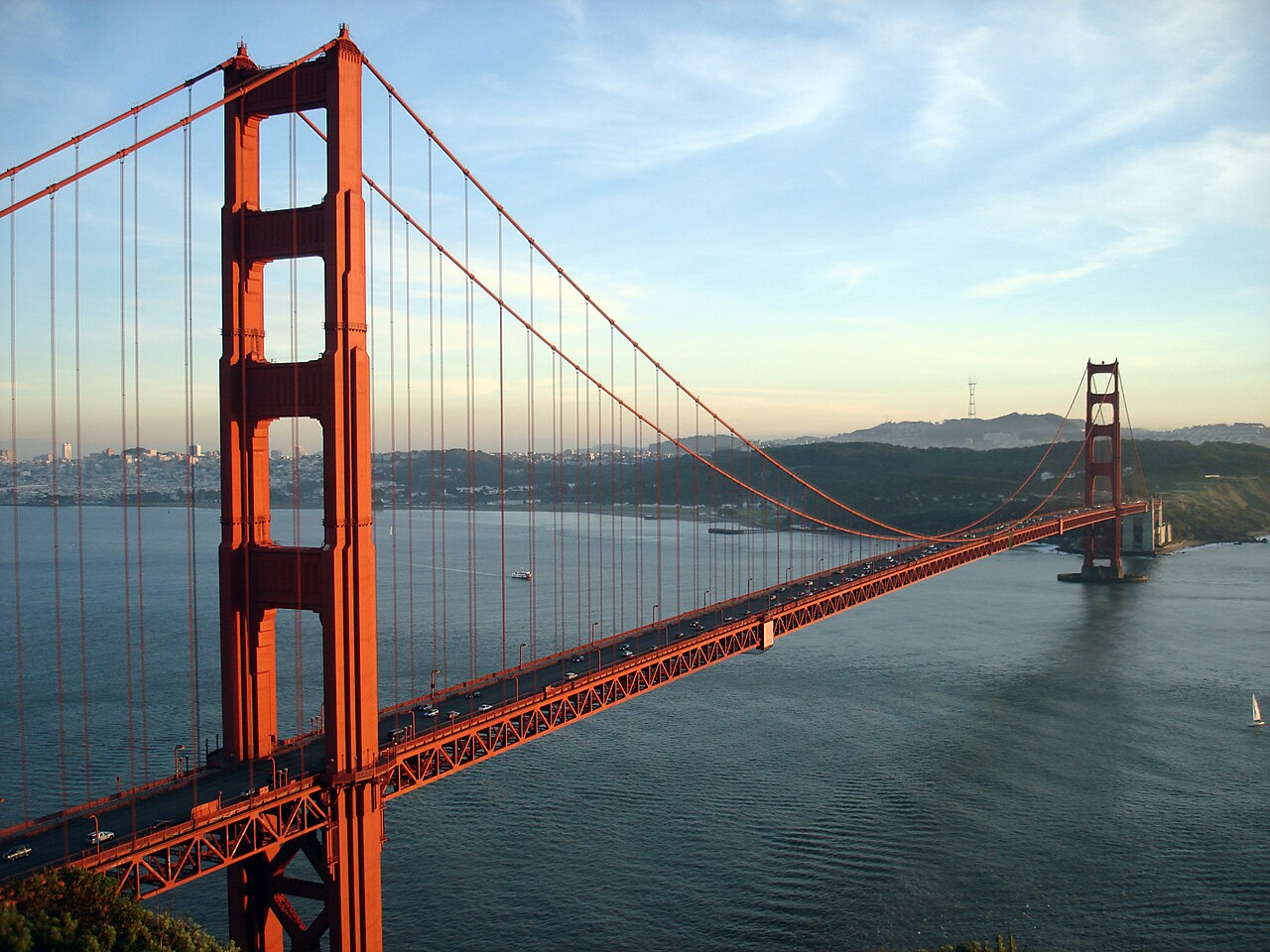
Golden Gate Bridge
Bridges
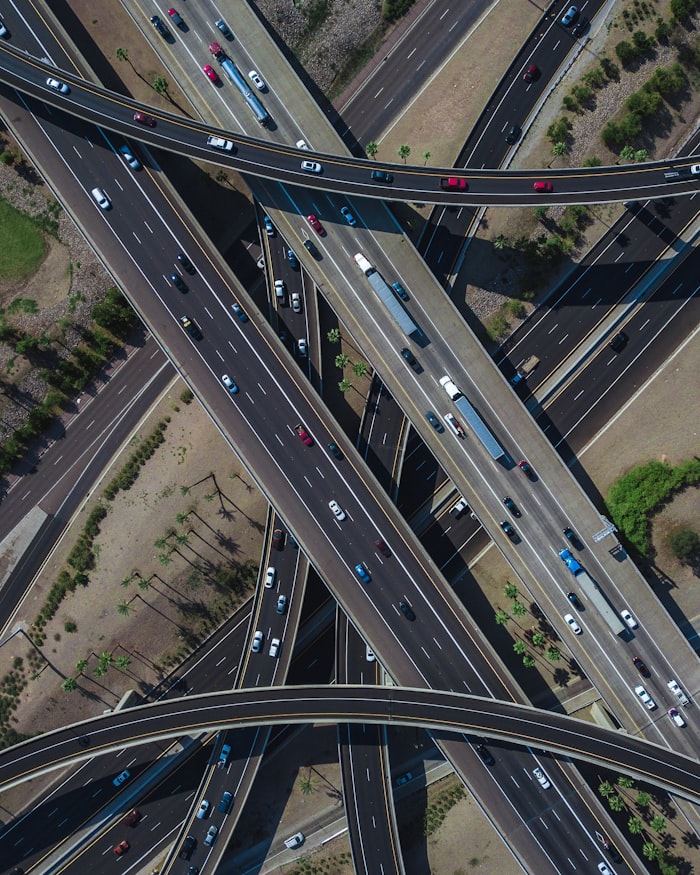
Road
Roads
Skyscrapers
Skyscrapers
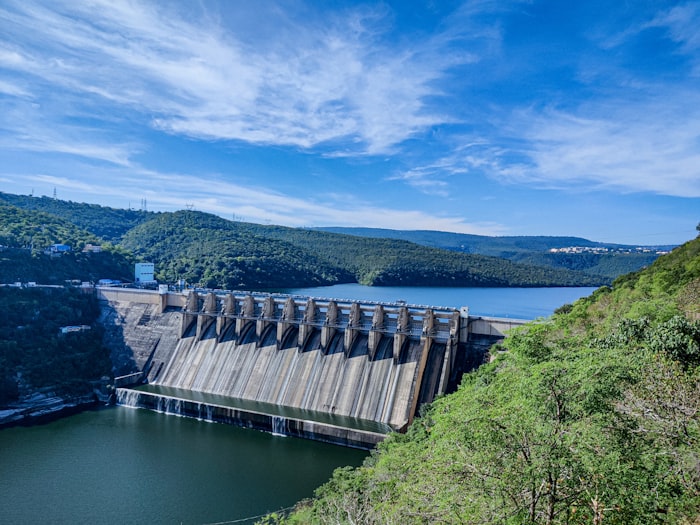
Srisailam Dam reservoir
Dams
OBJECT GRAVITY (always down) PUSH PUSH PULL PULL → COMPRESSION ← ← TENSION →
The Basics

Three Forces Every Engineer Knows

A force is any push or pull. Structures don't move because their forces are balanced — but the forces are always there.

Gravity Always pulls down. Every kilogram has weight because of gravity.
Compression Squeezing inward. Columns and arches resist being crushed.
Tension Stretching outward. Cables and ropes resist being pulled apart.
Burj Khalifa
Burj Khalifa — 828 m tall, Dubai
Force #1

Gravity: The Force That Never Stops

Earth's gravity pulls every kilogram of every structure straight down — forever. The Burj Khalifa weighs over 500,000 tonnes. That's the force its foundation fights every single second.

A civil engineer's job: design a structure strong enough to push back up against gravity — without sinking, tipping, or collapsing.

🌍 Next slide: see what Galileo discovered about gravity in 1589…

Interactive Demo

Galileo's Drop Test

In 1589, Galileo dropped two balls from the Tower of Pisa — a heavy one and a light one. Everyone thought the heavy ball would land first. Were they right?

🎳
Bowling Ball
7 kg
🎾
Tennis Ball
0.06 kg
Parthenon columns
Parthenon — Athens, built 447 BC
Force #2

Compression: Getting Squished

Every column on the Parthenon is being compressed — squeezed from the top by the weight of the roof, and from the bottom by the ground pushing back. Stone and concrete are great at resisting compression.

The rule: the weight pushes down, the ground reacts up. The material in between — the column — is being squeezed from both ends at once.
Columns Arches Concrete Walls
Interactive Demo

Column Crusher

Each brick adds more compression force. Watch what happens to the column as the load increases. How many can it take?

Brooklyn Bridge cables
Brooklyn Bridge — New York, 1883
Force #3

Tension: Getting Stretched

Those huge cables on the Brooklyn Bridge are under enormous tension — being pulled from both ends at once, like a giant rubber band that can hold 15,000 tonnes.

Why steel cables? Steel can stretch slightly under tension without snapping. Stone columns can't stretch — they'd crack. Right material, right force.
Cables Ropes Steel Rods
Interactive Demo

Suspension Bridge: Force by Force

Add the deck, then apply anchor tension. Watch what each force does.

LOAD (gravity) cable — no load ANCHOR ANCHOR TENSION TENSION
No bridge deck — cable carries no load
Both Forces at Once

Inside a Bridge Beam

Apply the load and watch the beam bend. The bending itself is what creates two opposite forces — at the same time, in different halves.

LOAD COMPRESSION TENSION
The load pushes down. What happens inside?
Bridge
🎯 Time to Test Your Knowledge

Ready for the Quiz?

5 questions on gravity, compression, tension, and beam forces. Show what you know!

Slide 1 of 11
Question 1 of 5
Score: 0
When a column holds up a roof, what force is it experiencing?
Galileo dropped a heavy ball and a light ball at the same time. What happened?
The main cables on a suspension bridge are under which force?
What force pulls every object toward the center of Earth?
In a loaded beam, what force acts on the TOP half of the beam?
🏆

Forces Master!

You scored 5 / 5 on Forces & Structures.

Force Vector Lab

Adjust the magnitude and direction of two forces. The resultant vector updates instantly — and the maths updates with it.

+x +y −20 +20 +20 −20 O F₁ F₂ F_net
Force 1
Force 2
Resultant F_net